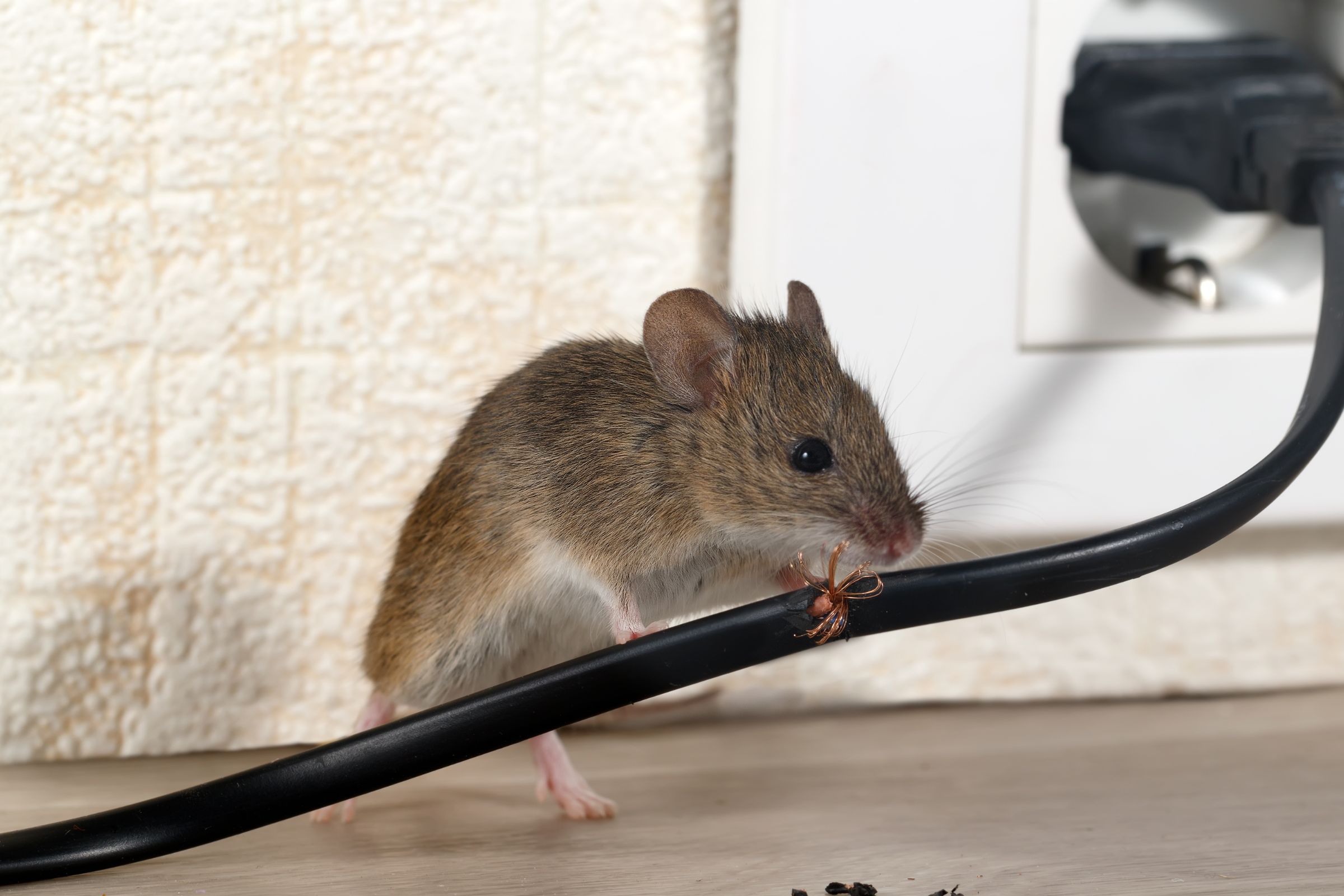
Mice are one of the most common and destructive household pests affecting homeowners across South…

10 Tips for Keeping Pests Out of Your Home This Summer
Summer brings warmer temperatures, longer days, and more time spent outdoors. It also marks the peak season for pest activity. As temperatures rise, pests such as ants, mosquitoes, rodents, and termites become more active in search of food, water, and shelter.
Without proper prevention, even a small pest issue can quickly turn into a full infestation. The good news is that there are simple, effective steps you can take to protect your home.
Below are ten proven tips to help keep pests out of your home this summer and maintain a clean, safe living environment.
If you are already noticing pest activity, professional help may be necessary. See our Pest Control Services.
Why Pests Are More Active in Summer
Pests thrive in warm environments. Heat speeds up their life cycles, allowing them to reproduce faster and expand their populations.
During the summer months:
- Food sources are more readily available
- Outdoor activity increases exposure to pests
- Moisture from humidity and rain creates ideal breeding conditions
In warmer regions such as the Southeast, including states like South Carolina, pest activity can remain consistently high throughout the season.
1. Seal All Entry Points
Pests can enter your home through even the smallest openings. Sealing these entry points is one of the most effective ways to prevent infestations.
Inspect your home for:
- Cracks in the foundation
- Gaps around windows and doors
- Openings around pipes and utility lines
Use caulk, weather stripping, or sealant to close these gaps and create a protective barrier.
2. Keep Your Kitchen Clean
Food is a primary attractant for pests. Crumbs, spills, and improperly stored food can quickly draw ants, cockroaches, and rodents into your home.
To reduce risk:
- Clean countertops and surfaces regularly
- Sweep and vacuum floors
- Store food in sealed containers
- Avoid leaving dirty dishes overnight
Maintaining a clean kitchen is a critical step in pest prevention.
3. Eliminate Standing Water
Standing water provides an ideal breeding ground for mosquitoes and other pests. Even small amounts of water can lead to rapid population growth.
Check for water accumulation in:
- Gutters
- Plant trays
- Buckets and containers
- Birdbaths
Remove or refresh standing water regularly to reduce mosquito activity. If mosquitoes are already a problem, targeted solutions can help. See our Mosquito Control Page.
4. Maintain Your Yard
Your outdoor space plays a major role in pest control. Overgrown vegetation and debris provide shelter and breeding areas for pests.
Keep your yard maintained by:
- Mowing the lawn regularly
- Trimming shrubs and bushes
- Removing leaves, wood, and debris
- Keeping vegetation away from your home
A well-maintained yard reduces the likelihood of pests moving indoors.
5. Take Out Trash Regularly
Garbage attracts a wide range of pests, especially during warm weather.
To minimize risk:
- Use tightly sealed trash bins
- Dispose of garbage frequently
- Clean trash containers to remove residue
Proper waste management helps prevent pests from gathering near your home.
6. Fix Moisture Issues
Many pests are drawn to moisture, including termites, cockroaches, and certain types of ants.
Inspect your home for:
- Leaking pipes
- Damp basements or crawl spaces
- Poor ventilation
Addressing moisture issues reduces pest attraction and helps protect your home from long-term damage.
7. Install and Repair Screens
Screens provide an important barrier against flying insects such as mosquitoes and flies.
Make sure to:
- Install screens on windows and doors
- Repair any holes or tears
- Check vents and attic openings
Keeping screens in good condition helps prevent pests from entering your home.
8. Store Firewood Away from Your Home
Firewood can attract pests such as termites, ants, and rodents. Storing it too close to your home increases the risk of infestation.
Best practices include:
- Keeping firewood at least 15 to 20 feet from your home
- Elevating wood off the ground
- Only bringing in what you need
This reduces the likelihood of pests moving from woodpiles into your home.
9. Schedule Preventative Pest Control
Preventative pest control treatments are one of the most effective ways to keep pests out year-round.
Professional services can:
- Identify potential problem areas
- Apply protective treatments
- Stop infestations before they begin
Learn more about ongoing protection plans on our General Pest Control Page:
10. Monitor for Early Signs of Infestation
Early detection can make a significant difference in controlling pests before they spread.
Watch for:
- Droppings
- Unusual noises in walls or ceilings
- Damaged food packaging
- Visible insects or nesting materials
If you notice these signs, taking action quickly can prevent a more serious problem. For rodent-specific issues, visit our page on Rodent Wildlife Control.
When to Call a Professional Pest Control Service
If pests continue to appear despite preventative efforts, it may be time to call a professional.
A pest control expert can:
- Conduct a thorough inspection
- Identify the source of the problem
- Provide targeted, long-term solutions
Professional treatment ensures the issue is handled effectively and helps prevent future infestations.
Frequently Asked Questions
How do I keep pests away during the summer?
Focus on sealing entry points, removing food and water sources, maintaining cleanliness, and scheduling preventative pest control.
What pests are most active in summer?
Common summer pests include ants, mosquitoes, termites, cockroaches, spiders, and rodents.
Does pest control work better in summer?
Yes. Summer is when pests are most active, making it an ideal time for preventative treatments and inspections.
How often should pest control be done?
Most homes benefit from quarterly pest control, although frequency may vary depending on pest activity and location.
Keep your Summer Pest-Free with Foothills
Keeping pests out of your home during the summer requires a proactive and consistent approach. By following these ten tips, you can significantly reduce the risk of infestations and maintain a comfortable, pest-free environment.
If pest problems persist, professional pest control services provide the most reliable and long-term solution.
For more information, or to schedule an inspection or removal, Contact Us today!
Related Posts